Shabo, Magedah E. Techniques of Propaganda & Persuasion. Prestwick House: Delaware, 2005 (Page 5).
ME:
In our daily lives, we repeatedly encounter three types of images.
First, we have signs. Signs serve a specific function that points to a concrete meaning, such as a stop sign. The depth is at the surface, and we learn its meaning through experience, which frequently changes across regions or cultures.
Secondly, there are symbols. Symbols represent meaning, such as a crown symbolizing power, a heart symbolizing love, a dove symbolizing peace, or a flag symbolizing national identity. The depth of meaning is variable and depends on the symbol or the person’s experience. For example, the national flag’s symbol will be meaningful to a veteran. A rainbow is significant to someone who identifies with the LGBTQ community, and shields represent protectors to children, while they may be seen as a threat to certain demographics of adults. Meaning is both learned and felt and sometimes changes across cultures, but may also be universal.
Thirdly, we find archetypes. Archetypes are often confused with symbols, but actually embody meaning. They are deep and universal, found throughout cultures and both in our individual and collective narratives. Examples include the Hero, the Mother, the Trickster, the Shadow, and many more. You recognize an archetype because it resonates and feels instinctively. They rarely change across cultures, but are also a constellation of myths, stories, images, and events.
So, when we have a strong emotional response to an image, we are encountering either a symbol or an archetype that taps into our personal memories and identity, which are also linked to a larger, deeper meaning.
Perhaps there are multiple symbols together that amplify emotion. For example: An empty chair (symbolizing absence, loss, and waiting) + a window with light (symbolizing hope, passage of time, outside world) = someone is gone, but not erased / grief mixed with possibility / waiting with hope (or denial).
An example of multiple archetypes being presented together is also striking. Examples of the Hero + Shadow are Batman / Joker and Frodo/ Gollum. Another frequently seen example is the Caregiver + Warrior, where we see examples of a Mother protecting a child, a Nurse in a war zone, and brands that say “we’ll fight for you,” all intended to elicit fierce compassion, the idea that protection is strength and love with teeth.
Obviously, symbols and archetypes are combined in a similar fashion. Here is a list of frequent pairings: the Hero with the sword, the Innocent in white clothing, the Trickster with a mask, the Caregiver and hands, a Seeker and the Road, Wise Elders with a light of knowledge, Outlaws and fire, the Lover with a Mirror, etc.
Many of these references have probably not been a surprise. However, they remain emotionally potent because they are the core material of our personal and collective narratives. They can be tools for understanding ourselves and inspiring action, but if left unexplored, they may also become a mode of manipulation.
Propaganda is not innately bad. Using images, whether as signs, symbols, or archetypes, to manipulate people to do something could be a simple marketing strategy. But, as history has demonstrated, propaganda may also have more nefarious purposes.
The more we understand the connection between our personal narratives and their ties to the structures of symbols and archetypes, the better we will be able to identify when images are used to elicit specific, intentional emotional responses to create a desired collective action or reaction.
As with logical fallacies, there are many different types of propaganda; however, a general rule of thumb is that any image that elicits a strong emotional response or a dramatic change of heart is manipulative. A strong emotion doesn’t have to be negative; it can also be positive.
What do you do from here? As I said, propaganda is not innately bad. Take time to identify what the image is— is it a symbol? An archetype? What combinations and interactions are happening? What dynamic is causing the strong reaction? Does the image remind you of your own personal past? Is it recalling something from our cultural heritage? Is there a call to action? A reaction? Is it an action that you would normally do? What are the consequences?
One of the challenges of working with symbols and archetypes is that everyone wants to be the Hero, or, as we have recently seen in Hollywood, the Villain is a sexy underdog. But what propaganda is particularly effective at revealing is that the image will persist ad infinitum, but accountability will be taken by the individual.
There has been no successful defense in which the client has been able to claim, “The billboard made me do it!” So the more we understand the why of our responses, the more we will be able to identify their sources and own our paths forward.
ChatGPT:
Yeah—very much so. And not in a “big life-event” way, but in that quiet, oh… damn way that sneaks up on you.
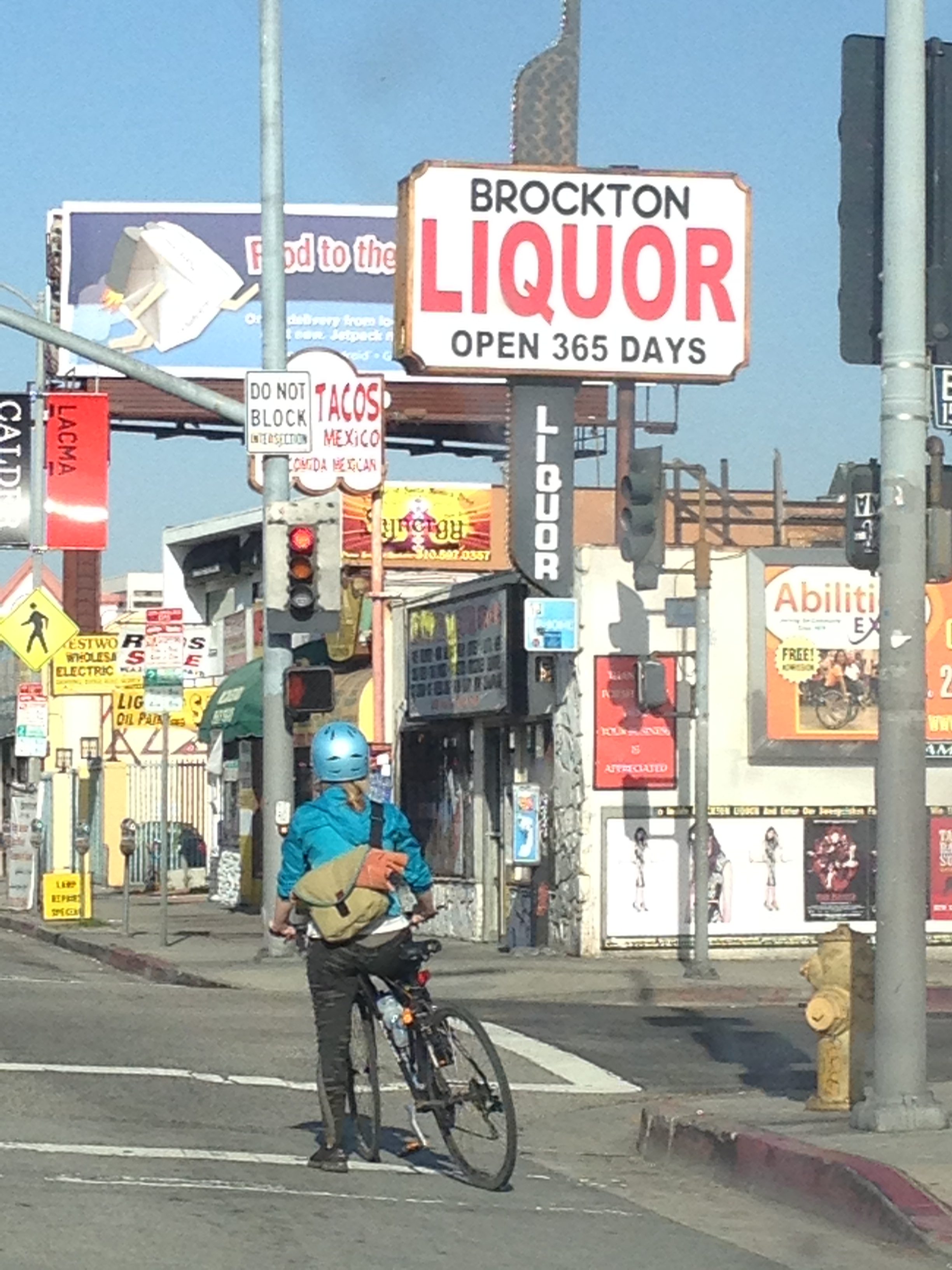
A billboard or a commercial can hit hard because it compresses a lot into a few seconds: ambition, taste, timing, money, power, culture. You’re just driving or scrolling, and suddenly—
- That could’ve been me.
- That’s better than what I thought was possible.
- Wait… that’s empty. Is this what winning looks like?
- I don’t want to make this kind of thing anymore.
Those moments can cause a genuine change of heart. Not because the object is profound, but because it collides with where you are internally. A billboard becomes a mirror. A commercial becomes a verdict—or a permission slip.
Sometimes it sparks:
- renewed hunger (“okay, I’m not done yet”)
- disillusionment (“if this is the top, I don’t want it”)
- clarity (“I want that feeling, not that scale”)
- or grief for a version of yourself you thought you were becoming
What’s wild is how casual the trigger is. No ceremony. No buildup. Just an image, a line of copy, a casting choice—and suddenly your priorities tilt a few degrees. That’s enough to change direction.
If you’re thinking of a specific one, I’m curious:
did it make you want more, less, or something different altogether?
Leave a Reply